
Why Are Protests Against the Indian Election Commission Spreading to London?

The ongoing political debate surrounding voting integrity and the Election Commission of India (ECI) has taken a major international turn. What began as domestic demonstrations in New Delhi regarding voter list revisions under Chief Election Commissioner (CEC) Gyanesh Kumar has now led to public protests on the streets of London.
This international expansion has raised key questions about freedom of speech, political accountability, and how global democracies handle public demonstrations.
1. Protests Shift to London: Why Are Demonstrations Happening Abroad?
Protests originally organized in India against allegations of voter list irregularities and institutional decisions have reached the United Kingdom.
A public gathering took place near the Mahatma Gandhi statue at Parliament Square in London. Members of the Indian diaspora, activists, and public commentators joined together to draw global attention to concerns regarding Indian electoral processes.
When public grievances move from local avenues to international capitals, it sparks global discussion about institutional credibility and democratic standards.
2. London Police vs. Delhi Police: Why Is Permission Granted Abroad?
A major point of discussion among observers is the difference in how public assemblies are managed in the United Kingdom compared to India:
Public Assembly Rights in London (UK): Under British law, peaceful demonstration is protected as a fundamental right. Authorities allow and manage non-violent gatherings—even those focused on international affairs—as long as public safety standards are met.
Security Restrictions in New Delhi (India): In India, police frequently deny permits or clear gatherings near high-security administrative zones citing public safety, traffic flow, and law-and-order protocols, leading to detentions of protesters.
3. The Dhruv Rathee Citizenship Controversy: Facts vs. Claims
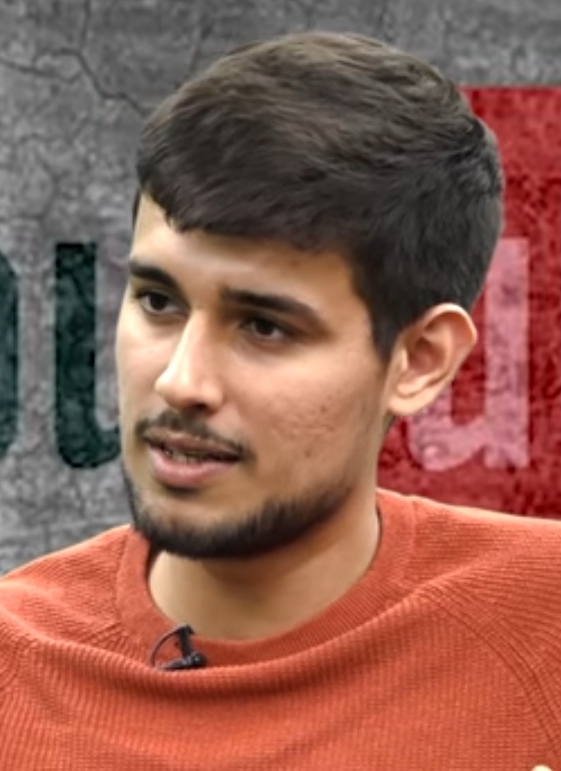
During recent protest coverage, political commentators and online groups raised questions regarding content creator Dhruv Rathee.
The Citizenship Allegation
Critics claimed that Rathee was a foreign national (German citizen) and therefore lacked the legal or moral standing to participate in domestic Indian political affairs.
The Fact-Check
Addressing these rumors directly, Dhruv Rathee released video proof displaying his Indian Passport. He reaffirmed his status as an Indian citizen residing abroad and clarified his legal right to voice opinions on public matters.
4. Why Institutional Action Is Crucial for India’s Global Image
As demonstrations attract international media scrutiny, key actions become essential to maintaining public trust:
Transparent Communication: Official institutions like the Election Commission must provide clear, accessible, and timely explanations regarding electoral updates and voter procedures.
Protecting Democratic Reputation: Constructive dialogue helps ensure that international perceptions of national institutions remain strong.
Respecting Peaceful Assembly: Permitting structured, peaceful public assembly reinforces confidence in democratic governance both domestically and globally.
Key Takeaways
International Reach: Protests regarding Election Commission processes have moved to global centers like London.
Assembly Rules: UK laws generally accommodate peaceful demonstrations, whereas high-security zones in Delhi face strict regulatory oversight.
Citizenship Reality: Dhruv Rathee verified his Indian citizenship by presenting his Indian passport.
Institutional Trust: Addressing grievances openly strengthens institutional integrity both domestically and abroad.
