
Odisha BJP Government Development: Are Election Promises Being Fulfilled?
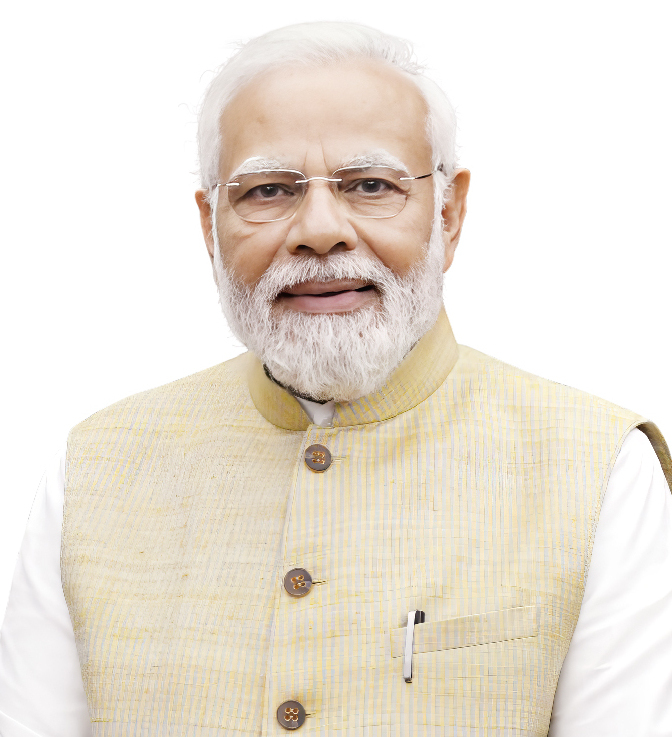
Source: Prime Minister’s Office / GODL-India
When leaders ask people for votes, they make big promises about development, better facilities, financial support, and a brighter future. But after winning an election, the most important question is whether those promises are actually fulfilled.
During the Odisha election campaign, BJP leaders spoke about the benefits of a double-engine government. Prime Minister Narendra Modi and other party leaders presented a vision of making Odisha one of India’s leading states. But people have every right to ask a simple question: How much of that promised development has reached ordinary citizens?
A speech alone cannot prove development. The public needs clear answers, measurable results, and evidence that the promises made during the election campaign are being implemented.
H2: Odisha BJP Government Development: What Happened to the Election Promises?
H3: Are Elderly Citizens Receiving the Promised ₹3,000 Pension?
BJP leader Dharmendra Pradhan spoke about increasing financial assistance for elderly citizens, with the figure of ₹3,000 per month becoming an important part of the election debate.
The previous BJD government had provided pension assistance to eligible beneficiaries under its existing schemes. The promise of increased support raised expectations among elderly people who depend on this money for their daily needs.
Now, the government should clearly explain how many eligible elderly citizens are receiving ₹3,000 per month, how many are still receiving a lower amount, and when the remaining beneficiaries will receive the promised assistance.
Senior citizens should not have to depend on political speeches to understand their entitlements. They deserve transparent information about the scheme and the money they are eligible to receive.
H3: What Happened to the Promise of 300 Units of Free Electricity?
Free electricity was another issue discussed during the election campaign. People were given expectations of relief from their household electricity bills.
But voters deserve clarity about the exact promise, the eligibility conditions, and its implementation. Has the scheme providing 300 units of free electricity been implemented across Odisha as people understood from the campaign? If it has been introduced only for certain beneficiaries or under different conditions, the government should explain those details.
Electricity bills are a real burden for many families. If a promise was made to reduce that burden, the public has every right to ask when and how it will be fulfilled.
H3: Are Paddy Farmers Receiving ₹3,200 Per Quintal?
Farmers are another important group whose expectations were shaped by election promises. During the campaign, the issue of paying ₹3,200 per quintal for paddy was raised.
The government should clarify how much farmers actually receive, how the amount is calculated, and what part comes from the minimum support price and any additional state assistance.
Farmers work hard throughout the agricultural season. They invest money in seeds, fertilisers, labour, irrigation, and machinery. They deserve a fair return for their work.
If the government promised a particular price, it should publish clear procurement figures and explain whether eligible farmers are receiving the promised amount. Farmers cannot be expected to remain satisfied with announcements alone.
H2: Is Changing the Colour of Lakshmi Buses a Sign of Development?
The former BJD government introduced the Lakshmi Bus service to improve connectivity between villages, towns, and other parts of Odisha. These buses became associated with the earlier government’s transport programme.
After the change of government, the bus colour was changed to saffron.
This raises an important public-interest question: Was changing the colour necessary, and how much public money was spent on it?
If the buses were already serving people, the government should explain the practical benefits of the change and disclose the total expenditure involved.
The issue is not simply whether a bus is blue or saffron. The real question is whether public money is being spent on improvements that directly benefit passengers.
If the same money could have helped improve bus services, repair rural roads, provide better facilities at bus stops, or connect more villages, those priorities deserve serious consideration.
Whenever a new government changes an existing programme, people should be able to see what has improved beyond its appearance.
H2: How Is Odisha Developing Under the Double-Engine Government?
Prime Minister Narendra Modi has repeatedly presented the idea that having the same party in power at the Centre and in a state can accelerate development. The BJP government in Odisha should therefore be prepared to demonstrate the results of that approach.
But what should development actually mean?
Development means better roads, reliable transport, improved schools and hospitals, employment opportunities, dependable electricity, support for farmers, and financial security for vulnerable citizens.
It should also mean better facilities in rural areas, where people often travel long distances to access healthcare, education, government offices, and markets.
Changing the colour of a bus or putting up political banners cannot, by itself, demonstrate that a state is developing. Such changes may be visible, but their value must be judged against the actual needs of the public.
The government should publish clear data showing what has improved since it took office. How many new jobs have been created? How many villages have received better connectivity? How much has healthcare and education improved? How many families have benefited from the announced schemes?
These are the questions that can help people judge development fairly.
H2: How Much Public Money Is Being Spent on Political Banners?
Across public spaces, people often see large banners and advertisements featuring political leaders. This raises questions about the source of the funding and the purpose of such publicity.
If public money is being used for government advertising, citizens deserve transparency about the amount spent, the budget allocated, and the benefits of those campaigns.
Government communication can be important when it informs people about welfare schemes and public services. However, it should prioritise useful information rather than simply promoting political personalities.
Every rupee spent by the government comes from public resources. That money should be used responsibly, with proper accountability and clear public benefits.
If the government is spending money on publicity while important local development needs remain unmet, citizens have every right to question its priorities.
H2: Voters Deserve Answers, Not Just Election Speeches
The people of Odisha voted after hearing promises about development, welfare, electricity, pensions, and farmers’ income. They now have the right to ask whether those promises are being fulfilled.
This is not about opposing a political party simply because it is in power. It is about holding elected representatives accountable for their words and actions.
If the promises have been fulfilled, the government should present the evidence. If implementation is incomplete, it should explain the reasons, identify the remaining work, and provide a clear timeline.
The same standard should apply to every political party, regardless of whether it belongs to the BJP, BJD, Congress, or another organisation.
Democracy does not end when voters cast their ballots. It continues when citizens ask questions and demand answers from the people they elect.
Conclusion: Odisha Needs Measurable Development, Not Just Promises
The real test of the Odisha BJP government is not how many speeches its leaders deliver or how many banners display their photographs. The real test is whether ordinary people experience meaningful improvements in their daily lives.
Are elderly citizens receiving the financial assistance promised to them? Are farmers getting the announced price for their paddy? Has electricity become more affordable for eligible households? Are rural transport services improving? Is public money being spent on genuine development priorities?
These questions deserve specific answers supported by official records and reliable data.
The people of Odisha are not asking for political slogans. They are asking their elected representatives to fulfil their commitments.
Before making new promises, the government should explain what has happened to the promises already made. That is the accountability voters deserve and the standard by which development should be judged.
