
Are Indian Voters Being Denied Rights? SIR Controversy, Border Control, and Public Protests Explained
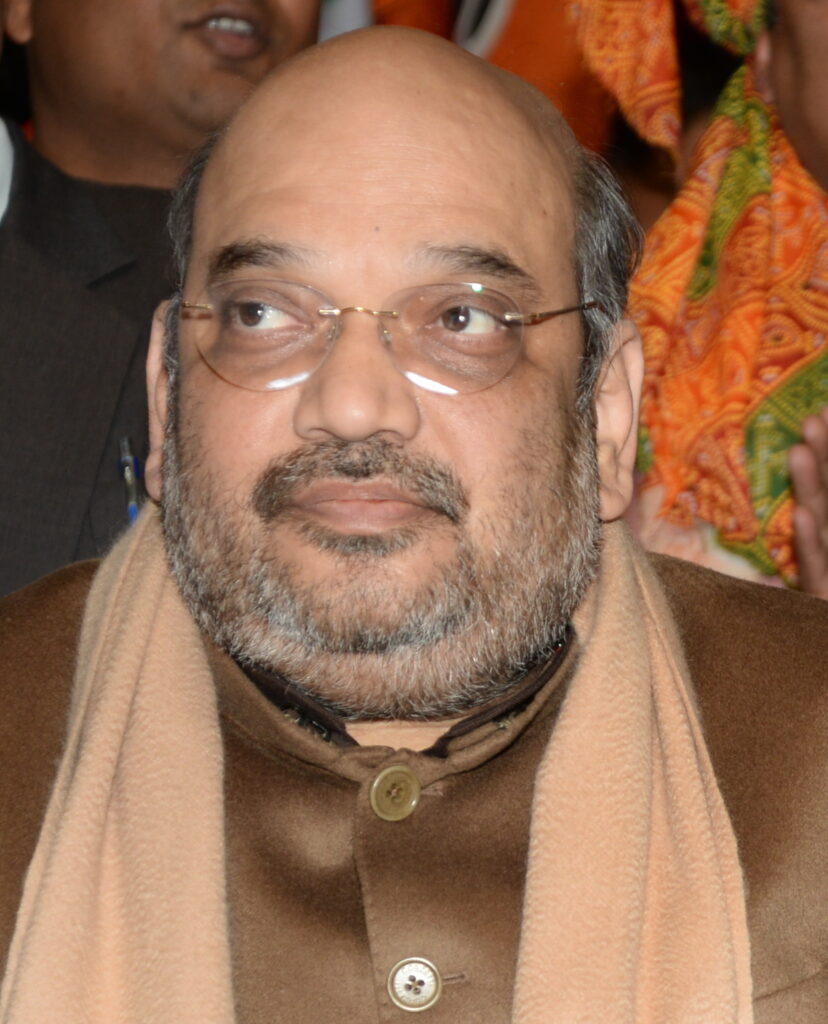
Photo Credit: Wikimedia Commons (Licensed under CC BY-SA 4.0)
The political atmosphere in Delhi and across the nation has reached a boiling point over voter roll revisions, systemic exclusions through SIR (Special Summary Revision / Voter List Verification process), and heated political exchanges between the ruling BJP and opposition leaders. With hundreds of thousands gathering to voice their concerns, critical questions are being raised about democracy, citizen rights, and political accountability.
Why Are Names Being Deleted from the Voter List Under SIR?
One of the biggest concerns for citizens today is finding their names missing or deleted from electoral rolls despite holding valid Voter ID cards issued by the Election Commission of India (ECI).
What Should You Do If Your Name Is Cut from the Voter Roll?
If your name has been removed from the voter list:
Check Status Online: Visit the official portal (voters.eci.gov.in) or use the Voter Helpline App to verify your details.
File Form 6: Submit Form 6 for fresh registration if your name was mistakenly deleted.
File Objections/Claims (Form 7 / Form 8): Submit an application to your local Electoral Registration Officer (ERO) or Booth Level Officer (BLO) demonstrating proof of identity and continuous residence.
Is the Election Commission Denying Citizens Their Right to Vote?
The Election Commission maintains that voter list cleanup is a routine process to eliminate duplicate entries, deceased voters, and relocated citizens. However, opposition parties and public protesters argue that mass deletions often disenfranchise genuine citizens without adequate prior notice or transparency.
Mass Protests in Delhi: Why Are Thousands Taking to the Streets?
When elections deliver mandates to the ruling party, massive public turnouts in protests raise an essential question: Why are citizens protesting if they voted for the government?
The Right to Democratic Protest: Opposition leaders and citizen groups argue that peaceful marches, rallies, and demonstrations are fundamental democratic rights guaranteed by the Constitution to hold authorities accountable.
Voter Expectations vs. Government Response: Protesters voice concern that once in power, politicians often overlook ground-level public grievances regarding voters’ rights, economic pressures, and administrative transparency.
Border Security and Political Claims: Unpacking the Infiltration Debate
Political rallies have seen intense debates surrounding border control, illegal immigration, and political accountability.
Who Is Responsible for Border Security?
While political leaders often pledge to identify and deport illegal immigrants, critics point out key administrative realities:
Jurisdiction: International borders and national security fall directly under the jurisdiction of the Ministry of Home Affairs (MHA).
Accountability: Opposition leaders question how illegal immigration persists after years of continuous governance, calling for factual transparency on border enforcement results rather than purely political statements during electoral campaigns.
Electoral Predictions and Democracy: Public Trust Matters
Assertions about guaranteed victories in upcoming elections often trigger public skepticism. In a thriving democracy, voter turnout in protests signals that citizens actively monitor governance, political promises, and administrative fairness.
Democratic institutions—especially the Election Commission—must maintain complete transparency to ensure that every eligible citizen retains their constitutionally guaranteed right to vote.
