
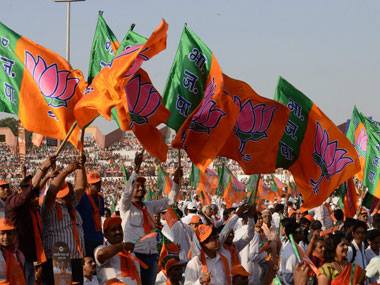
Why Is the Ruling BJP Protesting? If It Is in Power, Who Is It Protesting Against?

ndia has witnessed several protests in recent times. The CJP-led protests took place, and the opposition parties also came together to raise their voices. The opposition’s main demand was to save democracy and protect people’s rights. But one question remains: why has the government not addressed the opposition’s demands?
We have seen CJP supporters protesting. We have also seen the entire opposition coming together to protest against the government. That is understandable because the opposition is supposed to question the ruling government.
But what is difficult to understand is why the BJP, which is itself in power, is also taking to the streets in the name of protest.
Why Is the Ruling BJP Protesting Against Its Own Government?
The BJP is not just another political party. It is the ruling party at the Centre. The responsibility to protect democracy, uphold people’s rights and ensure that democratic institutions function properly lies with the government.
If the BJP is in power, then why are its leaders and ministers protesting? Who exactly are they protesting against? And more importantly, who is supposed to fulfil the demands they are raising?
If the ruling party itself is dissatisfied with something, shouldn’t it be able to address the issue through its own government?
These are questions the public deserves answers to.
CJP and Opposition Protested, But What Is the BJP Trying to Prove?
CJP and the opposition parties came forward with the message of saving democracy. They raised questions about democratic rights and the responsibilities of those in power.
But when the ruling BJP also starts protesting, what message does it want to send to the public?
Is the BJP trying to show that it, too, stands with the people and supports democratic values? Is it trying to create an impression that its leaders are equally concerned about democracy?
Some people may see this as a political strategy. Perhaps the BJP believes that if its leaders also protest, the public will view the party more positively.
But is that really the purpose? Or is there another reason behind these protests?
The BJP should openly explain its position instead of leaving people confused.
If the Government Is Not Listening to Its Own Leaders, Who Will Listen to the Common People?
This is perhaps the biggest question.
If people within the ruling party are dissatisfied with the situation, and its own leaders feel the need to protest, what should ordinary citizens expect?
When the government is unable to satisfy the concerns raised by its own political leaders, how can common people expect their voices to be heard?
The BJP should answer whether its leaders are unhappy with their own government’s decisions. If they are, why are they protesting on the streets instead of resolving those issues through the government?
And if the government is not listening to its own people, who will listen to the concerns of ordinary citizens?
Democracy Is the Government’s Responsibility, So Why Protest Instead of Taking Action?
Protecting democracy is not just a slogan for political rallies. It is a responsibility of the government in power.
The ruling party has the authority and responsibility to take action, address public concerns and ensure that democratic values are protected.
The opposition can protest to demand accountability. CJP and other organisations can raise their voices. That is part of a democracy.
But when the ruling party itself takes to the streets, people naturally want to know what it is trying to achieve.
Is the government unhappy with itself? Is there a disagreement within the ruling party? Or is this simply a political move to influence public opinion?
These questions should not be ignored.
Conclusion: The BJP Must Answer the Public
People have watched CJP protest, the opposition unite and the BJP’s leaders take to the streets as well. But the most important question remains unanswered: if the BJP is running the government, why is it protesting i
