
What Is Different About Smart Meters That Is Causing Electricity Bills to Rise So Much?
At present, smart meters are being installed across India, including in villages and rural areas. But it is difficult to understand why smart meters are being installed everywhere and why electricity departments are installing them according to their own decision.
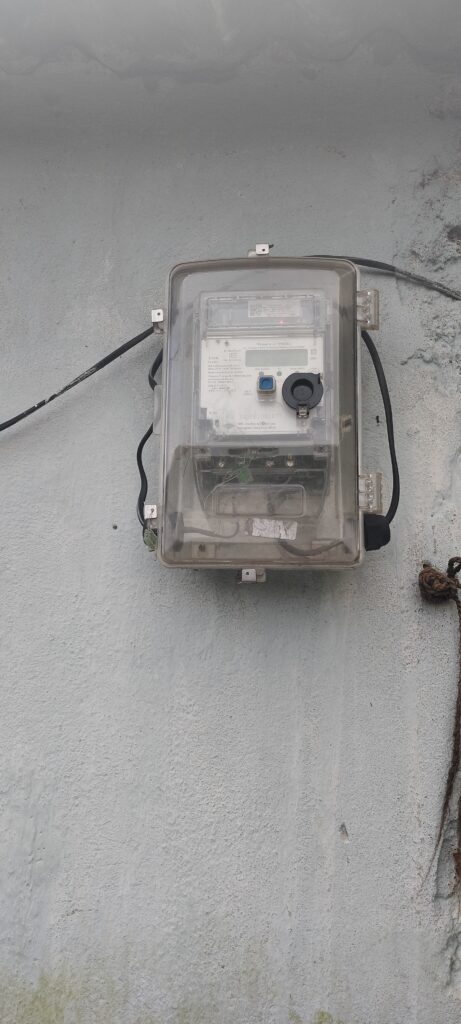
As far as the Electricity Act, 2003 is concerned, there are provisions regarding meters and the rights of consumers. If consumers have certain rights regarding the choice, testing, or replacement of meters, then why are electricity departments insisting that only smart meters will be installed? Why is the government not taking action or giving clear answers to consumers about this issue?
There is also an important question for electricity companies: Why are electricity bills becoming higher after the installation of smart meters?
Many consumers say that when they had the old meters, their electricity bills were much lower. After smart meters were installed, their bills started becoming higher. When consumers complain that their smart meter is showing a higher bill, they are often told, “The more electricity you use, the higher your bill will be.”
But consumers have a simple question: If electricity consumption is the only reason for a higher bill, then why were the bills lower when the old meters were installed? Why has the bill increased after the smart meter was installed?
This creates doubt among consumers. They want a transparent explanation and proper testing of their meters. Consumers should not simply be told that they are using more electricity. Their meter should be properly checked and the actual electricity consumption should be verified.
Another important issue is that when a consumer asks for the smart meter to be replaced and requests the old type of meter instead, they are reportedly told that only a smart meter can be installed. If consumers have rights regarding meters under the law, then consumers should be clearly informed about those rights. Why are consumers not being given a clear choice or explanation?
There is another serious complaint from consumers. When a consumer says that the smart meter needs to be checked or tested because the bill appears unusually high, some consumers claim that electricity workers ask for an advance payment of ₹500 for checking the meter.
The question is: If the meter itself is faulty, why should the consumer have to pay ₹500 to get the meter checked or corrected? If there is a genuine fault in the electricity meter, the responsibility should not automatically be placed on the consumer.
The government should pay attention to these complaints and ensure that consumers receive fair treatment. There should be transparency in smart-meter installation, meter testing, billing, and replacement procedures.
If a smart meter is genuinely causing problems for consumers, the government should investigate the matter properly. If testing proves that an old meter was working correctly and the smart meter is creating billing problems, consumers should be given appropriate relief according to the applicable rules.
The government should also consider whether removing problematic smart meters and providing consumers with a properly tested meter could reduce unnecessary financial pressure on ordinary people.
The main question for electricity departments and the government is simple: If consumers have rights under the electricity laws, why are those rights not being clearly explained and respected? And if smart meters are accurate, why are so many consumers complaining about unexpectedly high electricity bills after their installation?
These questions deserve a clear and transparent answer from the electricity departments and the government.
